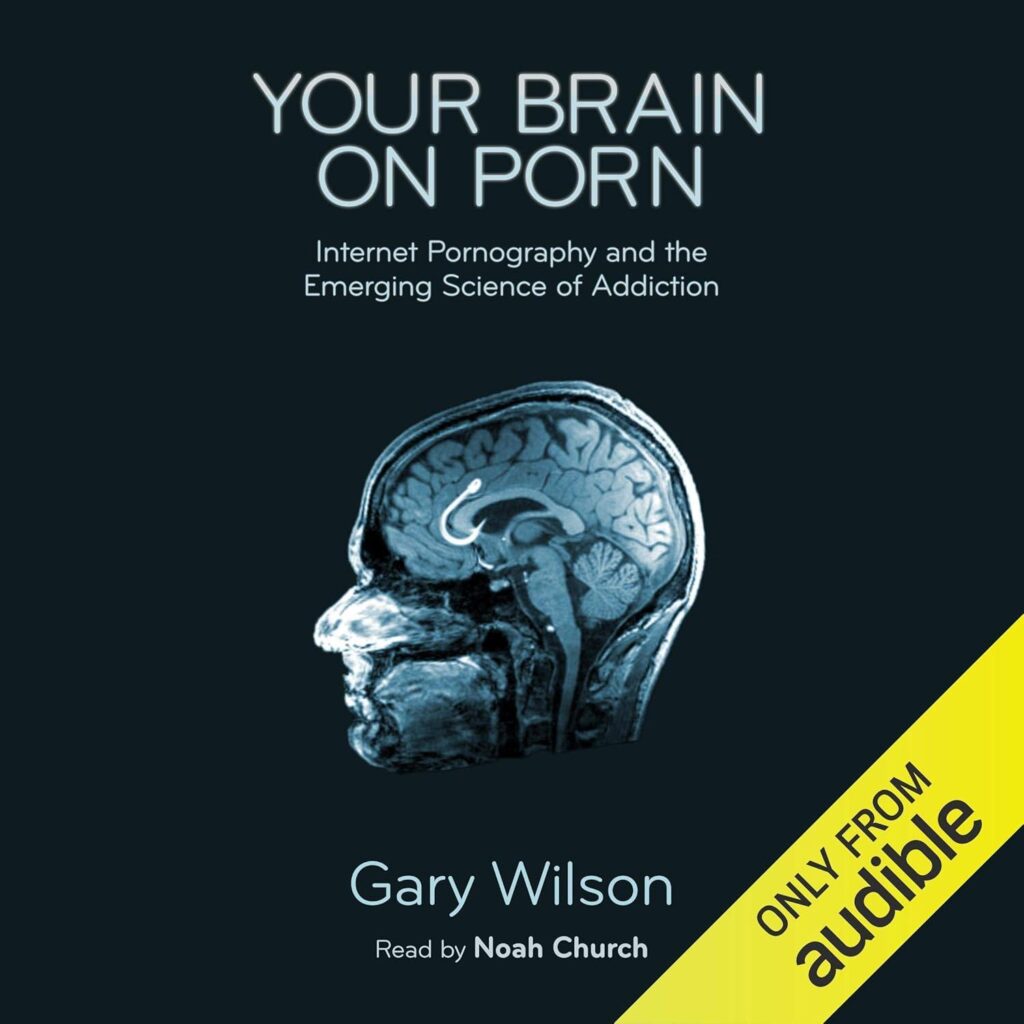
Welcome to our latest exploration of a pressing issue in today’s digital landscape. In a world where high-speed internet is ubiquitous, the accessibility of various forms of entertainment, especially pornography, has skyrocketed. For many of us, this shift has opened doors to experiences we never anticipated, but it has also ignited concerns about the psychological and relational effects of compulsive use. Today, we delve into “Your Brain on Porn: Internet Pornography and the Emerging Science of Addiction” by Gary Wilson-an insightful guide that examines this modern dilemma thru a blend of personal narratives and cutting-edge scientific research.
As we journey through Wilson’s work, we find ourselves questioning not onyl the nature of our own consumption habits but also the broader implications of an increasingly sexualized online surroundings. With the startling rise of issues like erectile dysfunction among young men, we have the chance to witness and understand the unwitting experiment in human behavior that is unfolding before our eyes. This revised and updated edition brings fresh perspectives, enlightening us on how our brains react to constant sexual stimuli and the profound effects it can have on our relationships and mental health.
Join us as we review Wilson’s compelling account and consider the stories of those who’ve embarked on a path of “rebooting”-a process of abstaining from pornographic content to reclaim their lives. Together,we’ll uncover the evidence that supports the idea that internet pornography can be more than just a casual indulgence; it can be an addiction with serious consequences.Through our exploration, we hope to offer valuable insights to those seeking to understand this powerful intersection of technology and human psychology. Let’s dive in!
Exploring the Mind: An Overview of Our Journey with Your Brain on Porn
Exploring the mind can be a fascinating journey, especially when we consider the effects of the digital age on our brains. One product that delves deep into this subject is “Your Brain on Porn: Internet Pornography and the Emerging Science of Addiction.” This book tackles the significant issue of how internet pornography affects mental health, relationships, and overall well-being. Through engaging scientific research and compelling personal stories, we get an insightful look into what happens to our brains when we engage with pornographic material. For anyone curious about the impact of pornography on our psychology, this book is a must-read.
As we journey through the chapters, we find discussions that resonate deeply, especially regarding the addictive nature of internet pornography and the brain’s reward system. It’s intriguing how Wilson explains these mechanisms, demonstrating that our brains react to porn similarly to how they react to addictive substances.The anecdotes and scientific correlations laid out in the book provide a clearer outlook on what addiction really means in the context of our modern digital landscape.
Even more encouraging are the solutions offered in the book for those looking to regain control over their lives. The concept of “rebooting” is introduced as a way to detox from porn and start fresh, emphasizing the brain’s capacity for change. The author presents stories of individuals who have taken this challenge and experienced significant improvements in their mental and emotional health. “Your Brain on Porn” provides us with not only an overview of the issues surrounding internet pornography but also a guiding light for those wishing to transform their relationship with it.
Unpacking the Features: What Sets This Product Apart
When we dive into “Your Brain on Porn: Internet pornography and the Emerging Science of Addiction,” it becomes clear why this book resonates with so many readers. It expertly combines scientific research with real-world testimonials,making the content relatable and engaging. Right from the beginning, we are guided through the complexities of how internet pornography affects our brains, ultimately transforming the way we understand addiction. The clarity and accessibility of the scientific explanations stand out,giving readers a solid foundation for understanding the impacts of excessive porn consumption.
One of the major features that sets this book apart is its unique blend of scientific rigor and personal stories. We find ourselves captivated by the accounts of individuals who have struggled with porn addiction and the drastic changes they experienced when they decided to “reboot.” For many, this journey leads to better mental health, improved relationships, and a more intimate connection with their partners. This connection between the scientific data and the personal narratives makes the content not just informative but deeply compelling, pushing us to think critically about our own habits and experiences.
Another importent aspect we appreciate is the practical advice woven throughout the text. Wilson offers actionable strategies that empower us to regain control. Whether we are looking to help ourselves or support someone else, the steps outlined are straightforward and encouraging. This isn’t just another self-help book filled with clichés; it provides us with the evidence and tools necessary to foster meaningful change. Each chapter draws us deeper into the conversation about addiction, helping us dismantle misconceptions and replace them with informed understanding.
Lastly, the book effectively highlights the societal implications of porn addiction. It raises awareness about the rising cases of erectile dysfunction among younger men-a phenomenon that has gained little recognition in many circles despite its growing prevalence. This focus on broader societal effects helps contextualize addiction as not just a personal struggle, but a collective issue that impacts relationships, mental health, and even community dynamics. By addressing these themes, the book serves as a critical resource for educators, parents, and mental health professionals, opening the door for crucial conversations about sexual health and well-being.
Delving Deeper: Insights from Our Experience with internet Pornography
Reading Your Brain on Porn has been an eye-opening experience for us. This book dives into the alarming effects of internet pornography, and we can’t help but reflect on the conversations we’ve had with friends and family about this topic. The journey begins by shedding light on how pervasive and damaging this modern phenomenon can be. We’ve spoken to individuals who have shared their struggles with addiction and related issues, and the book meticulously ties these personal stories to the growing body of scientific evidence. It’s comforting, in a way, to know we’re not alone in questioning the impact of pornography on our lives.
The book makes a compelling case about the science of addiction, specifically as it relates to internet pornography. What we found particularly relatable was the discussion on how brain chemistry changes with consistent exposure to sexual stimuli. Many of us can connect to the experience of feeling desensitized over time, searching for stronger stimuli just to feel that initial excitement again. This is a true struggle-one that resonates deeply with many individuals we know. The connection made between addictive substances like sugary junk food and porn is both startling and relatable; it emphasizes just how our brain’s reward circuitry can become hijacked. We often overlook how powerful these visual stimuli are in shaping our desires.
Another significant aspect discussed is the importance of ‘rebooting.’ We’ve seen some friends take this step toward recovery, and the improvements they’ve reported echo the experiences outlined in the book. stories about enhanced mood, better focus, and improved relationships paint a hopeful picture of what life can be like off of porn. It’s refreshing to see concrete strategies offered, rather than just theoretical discussions. The book’s advocate for communities like NoFap demonstrates that change is possible, and we’ve witnessed first-hand the bonds formed between peers supporting each other through challenges. This supportive environment can propel individuals towards a healthier lifestyle.
When we look at our own engagement with technology and media, it’s hard not to see the parallels between the challenges faced by the people in the book and the conversations we’ve had.The personal anecdotes, the scientific grounding, and the call to action make this a vital read. For us, it challenges how we perceive intimacy and relationships, reminding us of the deeper connections we can have when we free ourselves from the cycle of dependency on pornography. We feel compelled to share this knowledge, and we believe that it can serve as an essential guide for others navigating similar challenges.
Navigating the Science: Addiction and Its Impacts on Our lives
When it comes to comprehending the intricacies of addiction, “Your Brain on Porn: Internet Pornography and the Emerging Science of Addiction” offers an enlightening perspective.This book has become a vital resource for many of us seeking to understand how internet pornography profoundly impacts our brains and relationships.it highlights a pressing issue: a growing number of individuals are grappling with the unexpected consequences of excessive porn consumption. The insights shared within these pages are necessary for navigating the complex landscape of modern addiction.
Gary Wilson deftly connects personal accounts and cutting-edge neuroscience to unveil the alarming effects of porn addiction. As we dive deeper into the book, we can see how high-speed internet has led to a revolution in porn consumption, with more people becoming aware of the struggles tied to it. The way this addiction alters brain chemistry is both fascinating and concerning. We gain understanding of how the brain’s reward system becomes rewired,creating cycles of dependency similar to other addictions. For many, the initial thrill transitions into dissatisfaction and other serious issues-erectile dysfunction being a prime example affecting younger men.
What’s particularly striking in “Your Brain on Porn” is Wilson’s non-judgmental tone,making the scientific insights accessible to everyone.Many readers, including ourselves, resonate with the genuine experiences shared throughout the book. We find it comforting to know we’re not alone in facing the repercussions of normalization of porn use. Practical strategies for overcoming addiction are laid out in a way that’s easy for us to follow. The concept of “rebooting,” which many have adopted, is shown to lead to improvements in mental clarity, mood elevation, and real-life intimacy, providing hope for those seeking change.
With solid empirical backing, Wilson’s work stands at the forefront-equipped not just with evidence, but also compassion. It catalyzes deeper conversations about addiction that go beyond morality, entering the realms of psychology and neuroscience. we all stand to benefit from this essential reading, learning how to recognize and address the issues surrounding porn addiction. By shedding light on this often-ignored yet vital subject, “Your Brain on Porn” fosters a crucial dialog that we can all engage in.
In a world saturated with digital stimulation, this book serves as a beacon of knowledge. Whether we are directly affected or simply curious about the implications of porn on preferences and relationships, the insights within these pages are transformative. As we navigate through our own understanding of addiction, sharing this journey with others might lead to healthier relationships and a greater understanding of our shared human experience.
Recommendations for Change: Practical steps We Can Take Together
As we delve into the complexities of internet pornography and its addictive nature, we realize ther’s much we can tackle together. Firstly, let’s foster open conversations regarding the impacts of porn. We can start by addressing it within our communities, schools, and even among friends. Education is key.The insights shared in *Your Brain on porn* strongly indicate that many are unaware of the consequences associated with pornography use. By sharing knowledge and creating safe spaces to discuss this topic, we can help destigmatize the struggles many face and promote healthy understanding among peers.
One of the practical steps we can all adopt is to engage in initiatives like NoFap or similar support groups that encourage abstaining from addictive behaviors.these communities offer a wealth of resources and personal experiences that can help individuals on their journey to reclaim their intimacy and relationships. When we come together in support of one another, we create a powerful environment conducive to healing. Maybe we can also utilize social media to share relevant resources, personal stories, and empathy towards those grappling with similar challenges, creating a virtual support network that extends far beyond our immediate circles.
In addition to these discussions and community support, we can also advocate for more educational programs centered on the science of addiction and its effects on our brains.We should work to incorporate materials like *Your Brain on Porn* into schools and workshops, ensuring that young people understand not only the allure of pornography but also the real risks involved. This proactive approach may alter perceptions drastically, equipping future generations with the knowledge to make healthier choices and recognize the signs of harmful habits.
Lastly, practice self-awareness and mindfulness regarding our own consumption habits. By acknowledging our behaviors, we empower ourselves to make conscious decisions about what we consume, both online and offline. Whether it’s through journaling our experiences, setting explicit boundaries for our media consumption, or even engaging in healthier outlets for pleasure and connection, small personal changes can lead to significant community shifts. Together, we can forge a path towards a healthier relationship with our sexuality and mental well-being.
Experience Innovation
As we wrap up our exploration of “your Brain on Porn: Internet Pornography and the Emerging Science of Addiction,” it’s clear that this groundbreaking book offers much more than just an academic perspective; it presents a compassionate lens through which we can examine our relationship with internet pornography. Gary Wilson’s insights illuminate the emerging science behind addiction, urging us to consider not only the implications for individuals but also for society as a whole.
Whether you’re struggling with your own consumption or simply curious about the effects of high-speed internet on our brains,this book serves as a crucial resource.It’s a wake-up call to those who may feel lost in an overwhelming landscape of digital stimulation and a guide for those looking to take control of their habits.
we believe that by understanding the complexities of our behavior and the neuroscience at play, we can foster healthier relationships not only with technology but with ourselves and others.
If you’re ready to dive deeper into this important topic and embark on a journey towards awareness and potentially profound change, we encourage you to grab your copy of “Your Brain on Porn.” Click hear to start your journey: Get Your Copy Now!