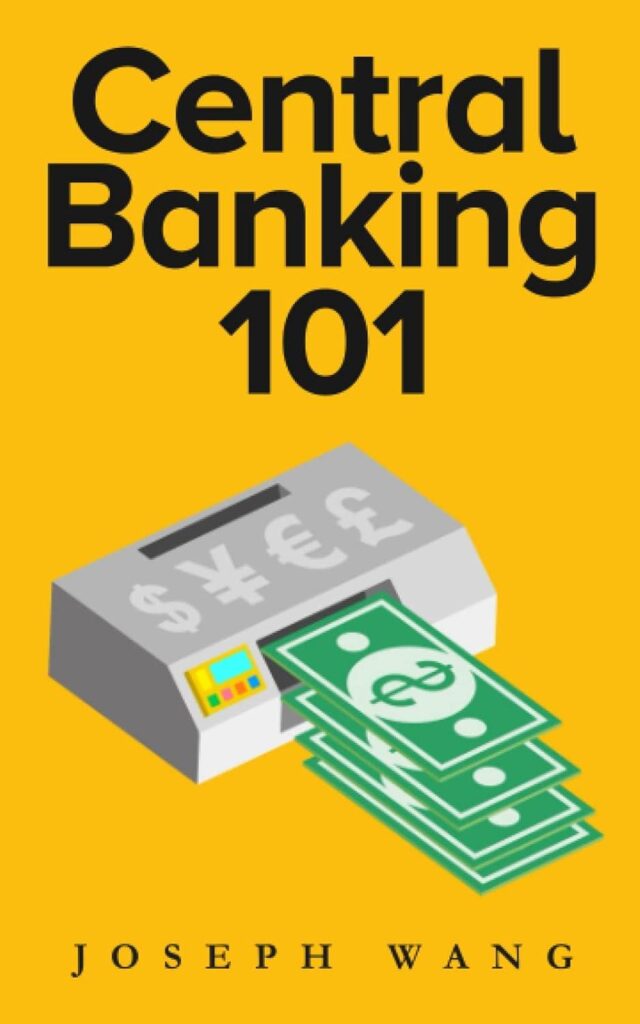
Welcome to our latest product review! Today, we dive into the intriguing world of central banking through the lens of Joseph Wang’s enlightening book, “Central Banking 101.” As we explore the enigmatic mechanisms that empower the federal Reserve, we’re reminded of the delicate balance between control and chaos that defines our financial system. in a world where a few carefully chosen words can shift markets and a mere keystroke can unleash trillions,we’ve found ourselves captivated by the complex operation of this monumental institution.
Having spent time with Wang’s work,we’ve gained a clearer understanding of concepts that often feel untouchable and mystifying. With insights gleaned from his five years on the Fed’s Open Markets Desk, this book promises to unravel the intricacies of money creation and the global dollar system. It’s an ambitious endeavor that seeks to not only inform but also empower us, the curious minds eager to grasp how everything fits together in the larger financial landscape.
Join us as we unpack “Central Banking 101” and share our firsthand experience with this must-read guide, designed to educate and demystify the powerful role of the Federal Reserve. Let’s embark on this enlightening journey together, and discover what insights await!
Discovering Central Banking 101: Our Introduction to a Complex World
Discovering Central Banking 101 is like embarking on an enlightening journey into the intricate world of finance, and with “Central Banking 101,” we find ourselves well-equipped for this adventure. This insightful book breaks down the complexities of the Federal Reserve and its functions in a way that is approachable and engaging. Perfect for those of us who may have felt intimidated by finance, this book is both informative and user-friendly. it empowers us to grasp the basic mechanics of how central banks operate and influence our economy. For anyone eager to understand the underpinnings of our financial system, this book is a must-have addition to your library.
While diving into “Central Banking 101,” we find a treasure trove of well-explained concepts that unravel the mystery of our banking systems. The author, Joseph Wang, draws from his extensive experience at the Fed, providing us with valuable insights into the workings of this powerful institution. We learn about how monetary policy can directly affect our lives, such as the impact of interest rates and financial market interactions. The short, digestible sections and real-world examples help to contextualize the material, allowing us to relate to the complex ideas presented. It’s refreshing to see a book that prioritizes clarity and practical data over theoretical jargon.
One of the highlights of reading “Central Banking 101” is the author’s style, which strikes a great balance between being comprehensive and casual. We appreciate that the dense topic of central banking is made relatable through relatable anecdotes and straightforward language.This book is not just for finance majors; it’s accessible for curious minds at any level. As an example, those unfamiliar with concepts like repurchase agreements (repos) find explanations that clarify these terms without overwhelming us. It invites us to engage with the material actively, even encouraging us to take notes to reinforce our understanding.
As we explore the pages of “Central Banking 101,” we come away with a well-rounded overview of the financial framework influencing our everyday lives. It not only chronologically presents events but also contextualizes them in a way that enhances our knowledge. From the mechanics of monetary policy to the responses during financial crises, we gain a solid foundation to build on for further exploration. This is especially valuable for anyone looking to enter the field or broaden their understanding of macroeconomic dynamics. Ultimately, the book sheds light on the importance of educated perspectives in navigating the world of finance.
we wholeheartedly recommend “Central Banking 101” for anyone seeking a clearer insight into the functioning of our financial systems. It stands out as a robust introduction to central banking that doesn’t just skim the surface but encourages a deeper dive into critical economic principles. If you’re ready to enhance your financial knowledge and engage with the complexities of the economic landscape, this book is the perfect starting point. Let’s get our copy and unlock the secrets of central banking together! buy Now on Amazon
Exploring Key Features: What Makes Central Banking 101 Stand Out
when we dive into Central Banking 101, it becomes immediately clear that this book is packed with valuable insights and practical knowledge. What sets it apart is its ability to demystify complex subjects related to the Federal Reserve and its crucial role in the global financial system. From the very first pages, we appreciate how the author, Joseph Wang, presents intricate topics in an accessible manner. His personal experiences as a trader on the Fed’s Open markets Desk lend a unique viewpoint,providing readers with clarity on how money is created and how different financial mechanisms operate.
One key feature that stands out is its straightforward approach to discussing vital concepts like quantitative easing, interest rates, and market stability. The book does a fantastic job explaining how these elements interact within the broader context of modern economies. We find ourselves easily grasping each subject thanks to the author’s use of real-world examples, notably during moments of financial upheaval such as the 2008 crisis and the recent challenges posed by the COVID pandemic. This makes the book an engaging read while also being rooted in reality.
Moreover, the structure of Central Banking 101 is tailored for both novices and those with some prior knowledge. Each chapter builds upon the last, gradually introducing more complex ideas while reinforcing earlier lessons. This progressive learning method really resonates with us, as we find it beneficial to take notes along the way. It allows the information to stick better and makes the intricate details easier to follow as we advance through the book. We can easily see how this would be a great resource for students or professionals looking to firm up their understanding of financial markets and central banking operations.
The author’s commitment to objectivity is also noteworthy. Unlike many financial books that blur lines with personal opinions or political biases, this one stays focused on delivering clear, factual information. We appreciate this approach, finding it refreshing in a landscape often cluttered with sensationalism. It lends credibility to the author’s insights and helps us to cultivate a more nuanced understanding of economic principles and their implications.
Central Banking 101 stands out not only for its thorough exploration of key topics but also for its engaging writing style and user-friendly structure. It offers readers a well-rounded understanding of how the U.S.banking system works and its interconnectedness with global financial markets. Anyone looking to deepen their grasp of these essential concepts will find this book to be an invaluable addition to their reading list.
Delving into the Details: Our Insights on Content and Usability
Delving into the details of “Central Banking 101,” we find a wealth of insights that can transform our understanding of the financial landscape. This book provides an accessible yet thorough examination of how central banks operate, particularly focusing on the structure and function of the U.S. federal Reserve. The author’s firsthand experience at the Fed enriches the narrative, demonstrating how monetary policy translates into real actions in the marketplace. With engaging explanations and real-world examples, we can easily grasp how these complex mechanisms affect our daily financial realities.
By reading this book, we uncover the engaging mechanics of the Federal Reserve’s Open Markets Desk, where decisions made behind the scenes can considerably influence the global economy. The book walks us through the Fed’s role in managing liquidity, dealing with interest rates, and navigating crises. The straightforward writing style helps clarify jargon that often seems intimidating at first. The author organizes content in a way that not only informs but also encourages deeper reflection on how the financial system operates. As we digest this knowledge, it becomes apparent how crucial the Fed’s actions are in stabilizing both the economy and the markets.
A standout feature is the structured approach that builds upon foundational concepts.We appreciate how the early chapters set the stage for the more complex ideas later on. Taking notes as we read proves beneficial in retaining the layered information, making it easier to follow along as we progress. Every new concept is tied back to practical examples, resulting in a comprehensive picture of central banking.this structure fosters engagement and ensures that we’re not just passively absorbing facts but actively connecting them to broader economic themes.
However, it’s important to note that while the text offers valuable insights into the U.S. Fed, readers from other countries may find it challenging to apply certain concepts directly to their own central banking systems. That said, understanding the workings of one of the world’s most influential financial institutions equips us with the right questions to ask about our local systems. We might leave with more questions than answers, but that’s part of diving deeper into the intricate world of finance.
Ultimately, we find “Central Banking 101” to be an invaluable resource for anyone looking to gain a solid grasp of monetary policy and its implications. As we turn the last page, we’re not just left with facts but with a newfound appreciation of how central banks wield such power.This book is a solid investment of time and energy, offering an enriching perspective on the essential roles our financial institutions play in shaping economic realities today.
Recommendations for Success: Making the Most of Central Banking 101
Ready to dive deep into the complexities of the financial system? We’re excited about the insights we’ll gain from the centrally-focused “Central Banking 101.” This book simplifies a topic that often feels overwhelming. For anyone interested in grasping how the Federal Reserve impacts our economy, this book is a must-have. With its well-structured explanations, we’re in for a solid learning experience. Plus, having a well-regarded product like this at our fingertips can guide our understanding of economic nuances.
As we navigate through the pages, it’s crucial to take notes, especially during the initial chapters. This simple practice transforms the information from fleeting facts into lasting knowledge. Since the early sections set up the groundwork for the entire book, jotting down key points will enhance our retention and comprehension of complex topics. Each chapter builds on the last, making our notes a valuable reference as we progress. This approach will enable us to connect the dots as we explore the roles of various market participants.
Another tip we have is to read thoughtfully and at our own pace. While it’s tempting to skim through, dedicating time to absorb each concept will make all the difference. The author’s use of anecdotes and real-world examples enriches the material, making it relatable. By reflecting on these stories, we can better understand how central banking operates in practice. This isn’t just a theory book; it’s packed with practical insights that will resonate with us once we connect them to real events like the financial crises.
We also recommend discussing insights from the book with peers or in study groups. Engaging with others helps reinforce what we’ve learned and opens up new perspectives. Delving into discussions about the Fed’s interventions during times like the COVID pandemic can enhance our understanding and provoke critical thinking. Sharing knowledge not only aids retention but allows us to consider implications we might not have considered on our own.
Lastly, don’t hesitate to complement our reading with additional resources focused on specific subtopics. The world of central banking can be intricate, so seeking supplementary materials can clarify any confusing aspects.Whether it’s understanding certain financial instruments or broader economic theory, additional readings can provide a well-rounded perspective. By synthesizing various sources of information and our learnings from this book, we can achieve a robust understanding of how central banking intricacies shape our financial landscape.
Final Thoughts: Reflecting on Our Journey with Central Banking 101
We’ve had quite the journey with “Central banking 101.” this book opened our eyes to the intricate workings of the Federal Reserve and the broader financial system. We appreciate how Joseph Wang translates complex concepts into understandable terms. It’s refreshing to see a narrative that doesn’t rely on jargon, making it accessible for readers like us, who may not have a financial background. It’s clear that his experience from working directly on the fed’s Open Markets Desk shines through in his writing.One thing that stood out to us was the structure of the book. Each chapter builds on the last, allowing us to absorb information with ease. We found ourselves pausing frequently to consider the implications of what we had just read. This process encouraged us not just to read but to reflect and engage with the material. It’s a challenge, of course, recognizing how much we don’t know about the financial world.Yet, that’s part of the beauty of this book; it encourages curiosity and critical thinking.
The real-world examples throughout the chapters made the learning process even more engaging. They provided context, showing us how events like the 2008 financial crisis were influenced by the actions of the fed.We appreciated being able to connect these events to broader economic principles. we’re left with the understanding that the Fed’s role extends beyond mere interest rates; it fundamentally shapes the economic landscape.
As we wrap up our review,we wholeheartedly believe that “Central Banking 101” is a worthwhile read for anyone interested in economics,finance,or simply understanding how the world works. whether you’re a novice or have some familiarity with financial systems,this book has valuable insights for all. If you’re ready to deepen your financial knowledge, give it a read. We’re so glad we did!
Experience the Difference
as we wrap up our exploration of “Central Banking 101,” it’s clear that this book stands as a vital resource for anyone seeking to navigate the intricate world of finance and monetary policy.Joseph Wang’s firsthand insights offer a rare glimpse into the enigmatic operations of the Federal Reserve, helping to demystify a subject that often feels shrouded in complexity.
With its accessible language and thorough analysis, this book empowers us to understand how pivotal decisions made by central banks can ripple through economies worldwide, making it an essential addition to our financial education toolkit.Whether we’re seasoned investors or simply curious about the forces that shape our financial landscape, “Central Banking 101” provides invaluable knowledge that can influence our understanding and decision-making.
if you’re ready to dive deeper into the magic behind central banking and unravel the threads of the global financial system, we wholeheartedly recommend picking up your copy today. Begin your journey towards financial enlightenment and click here to explore “Central Banking 101”: Get your copy now!