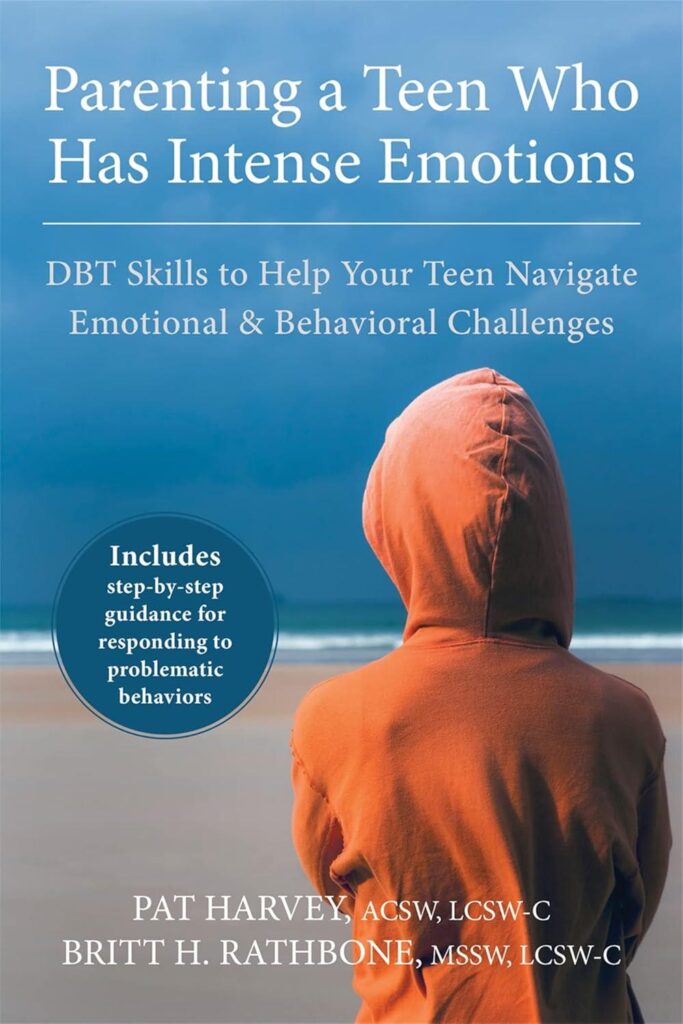
Navigating the teenage years can feel like sailing uncharted waters for many of us as parents. The intense emotions our teens experience-from joy to rage-can frequently enough overwhelm them, leaving us feeling helpless and unsure about how best to support them.We’ve all had those moments: the eye rolls, the slammed doors, and the heartfelt outbursts that seem to come from nowhere. In these turbulent times, it’s essential to equip ourselves with the right tools to foster emotional resilience in our teens while also caring for our own well-being. That’s where the enlightening book Parenting a Teen Who Has Intense Emotions: DBT Skills to Help Your teen Navigate Emotional and Behavioral Challenges comes in.
Written by two esteemed experts in adolescent mental health, this guide offers us a treasure trove of evidence-based dialectical behavioral therapy (DBT) skills designed to tackle the complex emotional landscape of our teens. with 224 pages packed with practical advice, this book serves as both a lifeline for struggling parents and a roadmap for guiding our young ones through their emotional upheavals. We’ve explored its insights and strategies, and we can’t wait to share how this book has the potential to transform our approach to parenting during these often-chaotic years.Join us as we delve into what makes this book a must-read for any parent striving for harmony in their home.
Our Journey into the World of Emotional intensity
can feel overwhelming at times. When we think about parenting a teen with intense emotions, we often find ourselves searching for resources that truly resonate. That’s where Parenting a Teen Who Has Intense emotions: DBT Skills to Help Your Teen Navigate Emotional and Behavioral Challenges comes into play. This book has become a crucial guide for us in understanding how to approach emotional storms with empathy and practical strategies.

As we leafed through its pages, we were struck by how relatable the advice is. It’s easy to get lost when our teens are in the midst of overwhelming feelings, and this book provides clear, evidence-based skills rooted in dialectical behavioral therapy (DBT). Each chapter laid out actionable steps to help not only our teens but also us as parents manage our emotions. We learned how to communicate effectively, understand our children’s perspectives, and respond constructively to their emotional outbursts.
the content isn’t just theoretical; it’s peppered with real-life scenarios that helped clarify how we might react in troublesome situations. Discussions about emotional regulation and coping mechanisms made us feel more equipped to handle our teens’ reactions. From calming exercises to mindfulness practices, we gained tools that apply not only to parenting but also to our own self-management.
What stood out to us is how this book touches on the shared experience of both teens and parents.It doesn’t merely address the struggles on one side; it gives equal weight to understanding our teens’ perspectives. This dual approach has fostered a greater sense of compassion on our part, encouraging us to meet our teens where they are emotionally.
As we finish this insightful read, we’re reminded of our commitment to fostering a nurturing environment for our teens. “Parenting a Teen Who Has intense Emotions” feels like an essential addition to our parenting toolkit. We encourage all parents facing similar challenges to check this book out. It’s more than just reading; it’s about stepping into our teens’ shoes and learning how to walk alongside them through their emotional journeys.
Exploring the Key Features That Make This resource Stand Out
, we notice how it addresses the challenges of parenting a teen experiencing intense emotions. The authors provide evidence-based DBT skills that empower both parents and teens. This dual approach is meaningful as it fosters understanding between the two. It helps us navigate those sometimes turbulent waters during adolescence.It’s comforting to know that we can learn effective interaction strategies and emotional regulation techniques all in one go.
Another notable feature is its practical application. The book goes beyond theory, offering real-life scenarios where we can practice the skills discussed. These relatable examples are invaluable, allowing us to see how the concepts can work in everyday situations. We love that it emphasizes not just helping our teens but also managing our own emotional responses. This mutual growth can lead to stronger relationships, making the parenting experience a little less daunting.
Furthermore, the authors have a knack for presenting complex ideas in a digestible way.The writing style is inviting, making it easy for us to engage with the material. It’s refreshing to find a resource that’s not just about theory but also practical suggestions we can implement at home. Each chapter offers clear advice, and the straightforward language encourages us to reflect on our actions and approach to parenting.
Lastly, the book covers a range of emotional challenges that teens face. It doesn’t just skim the surface but delves into various contexts where intense emotions may arise. This complete approach empowers us with tools that can definitely help our teens develop healthier coping mechanisms. As parents, feeling that we have multiple strategies at our disposal can provide us with the confidence to face those challenging moments with our teens.
Delving Deeper: insights from Real-Life Applications
When we look into “Parenting a Teen Who Has Intense Emotions,” we can’t help but think of all the families we’ve encountered who face the challenges that come with raising a teen experiencing overwhelming feelings. It’s not just about understanding the depths of these emotions; it’s about fostering solid communication lines.Many of us resonate with stories of parents striving to connect with their teens amidst the tumult, feeling frustrated yet desperately seeking a path forward. This book acts as a bridge, guiding us through the complex world of emotional violence teens frequently enough face.
We’ve seen firsthand how the book introduces valuable tools-like DBT skills-that help parents and teens alike.It emphasizes understanding our own reactions as much as the emotions of our children. By practicing these techniques, we create a healthier dialog, fostering mutual understanding and respect. It’s fascinating to note how tweaking our language can reduce triggers and lead to more productive conversations,allowing parents to find some calm in the storm. imagine using breathing strategies or mindfulness as tools to defuse tense situations; those are the gems this book offers.
Moreover, we can’t overlook the sense of empowerment it provides to both parents and teens. As we apply the skills learned from this book, we witness how our teens take charge of their emotional landscapes.We’ve shared stories of friends who reported significant shifts in their family dynamics after integrating these strategies. It’s like turning on a floodlight in a dark room; we begin to see our teens-not just the emotions they’re battling, but the potential they hold. That outlook shift alone makes this an invaluable resource.
Lastly, the real-world applications discussed help eliminate the isolation so many parents feel. No one is expected to have a manual for navigating the tumultuous teen years. This book offers practical examples and relatable scenarios, ensuring we feel seen and understood. We can all agree that parenting doesn’t come with a manual, but with “Parenting a Teen Who Has Intense Emotions,” we get pretty close to having one. It’s a must-have in our parenting toolkits as we continue to learn and grow alongside our teens.
Practical Recommendations for Maximizing Its Benefits
When parenting a teen with intense emotions, we often feel at our wit’s end. That’s where the insights from this book come into play. One of the best ways to maximize its benefits is to commit to regularly practicing the skills described in the chapters.We should aim to turn the advice theory into our daily interactions with our teens. For instance,setting aside dedicated time for practicing DBT skills can create a peaceful environment for discussions,making it easier to navigate emotional peaks and valleys together.
Additionally, we should keep the book accessible.Having it on hand for speedy reference during stressful moments ensures we’re prepared to implement strategies when they matter most.Just flipping through its pages can remind us of important concepts we’ve learned, soothing our frazzled nerves while guiding our responses. Integrating these suggestions into family meetings or one-on-one time can encourage a collaborative approach to addressing our teen’s emotional needs, ultimately fostering stronger connections.
Furthermore, we might consider involving our teens in the learning process. Discussing what we’ve read together can spark insightful conversations about their feelings and even help them embrace the DBT skills. When they see their perspective is valued, they may be more willing to share.As we apply these skills ourselves, it sets a positive example, encouraging our teens to acknowledge their emotions in a healthy way. This mutual understanding can lead to smoother interactions, marking a significant step toward emotional regulation.
we should be patient.change doesn’t happen overnight. Committing to a gradual, systematic approach can be crucial in making these skills stick. The more we practice, the more natural these strategies will become in our conversations with our teens. Over time, we’ll start seeing improvements not just in our teen’s emotional reactions but in our dynamic as a whole. That alone is worth the effort we put into applying the lessons from this invaluable resource.
Reflecting on Our Transformation and Growth Together
As we journey through the challenging yet rewarding experience of parenting a teen with intense emotions,it’s essential to recognize how far we’ve come together. We’ve faced countless hurdles, often feeling overwhelmed and unsure of how to navigate the emotional landscape our teens present to us. This book has been a beacon of hope, guiding us with practical tools and strategies to help both ourselves and our teens thrive. We’re not just learning how to manage our teens’ intense emotions; we’re also learning about ourselves and the ways in which we respond to those emotions.
It’s amazing to see the transformation in the way we communicate with our teens. With the insights from this book, we’ve begun to approach conversations with empathy rather than frustration. We now understand the importance of language and how our words can either trigger or soothe. As we implement the DBT skills outlined in the book, it’s becoming clearer how our reactions can greatly influence our teens’ emotional responses. Each accomplished interaction strengthens our relationships, fostering a sense of trust and understanding that we once struggled to establish.
Reflecting on our growth, we’re reminded that parenting doesn’t come with a one-size-fits-all manual. However, this resource has provided us with a framework that feels adaptable to our unique situations. We’re learning to recognize the signs of emotional distress in our teens and respond thoughtfully. This practice not only aids our teens in managing their emotions but also helps us maintain our calm.As we continue this journey, we’re excited to see how these tools will help shape a more peaceful home environment, fostering emotional intelligence and resilience in our family.
Ultimately, this journey of transformation through understanding and empathy is profoundly rewarding. By embracing the lessons learned from this book, we are not only becoming better parents but also role models for our teens. We look forward to building deeper connections as we grow together, equipped with the skills to face whatever challenges lie ahead. As we reflect on this growth, we’re grateful for the tools and insights that have guided us towards a more harmonious relationship with our emotionally intense teens.
Seize the Possibility
As we wrap up our review of “Parenting a Teen Who Has Intense Emotions,” it’s clear that this book is more than just a collection of techniques-it’s a lifeline for parents navigating the stormy seas of adolescence. The insights shared by the authors, rooted in dialectical behavioral therapy, empower us to not only support our teens but also to cultivate our emotional resilience as parents.
We can appreciate that we are not alone in this journey; many of us face the challenges of intense moods and behaviors. This book equips us with the necessary skills to foster understanding and compassion, paving the way for healthier communication and growth. Every page turned brings us closer to the goal of creating a stable environment where our teens can thrive emotionally and socially.
if you’ve found yourself feeling overwhelmed or at a loss for how to connect with your teen, we highly recommend adding this essential guide to your parenting toolkit.Together,we can navigate these challenging years with confidence and empathy.
Ready to take the next step toward supporting your teen? Check out “parenting a Teen Who Has Intense Emotions” today! Purchase here and empower your parenting journey.