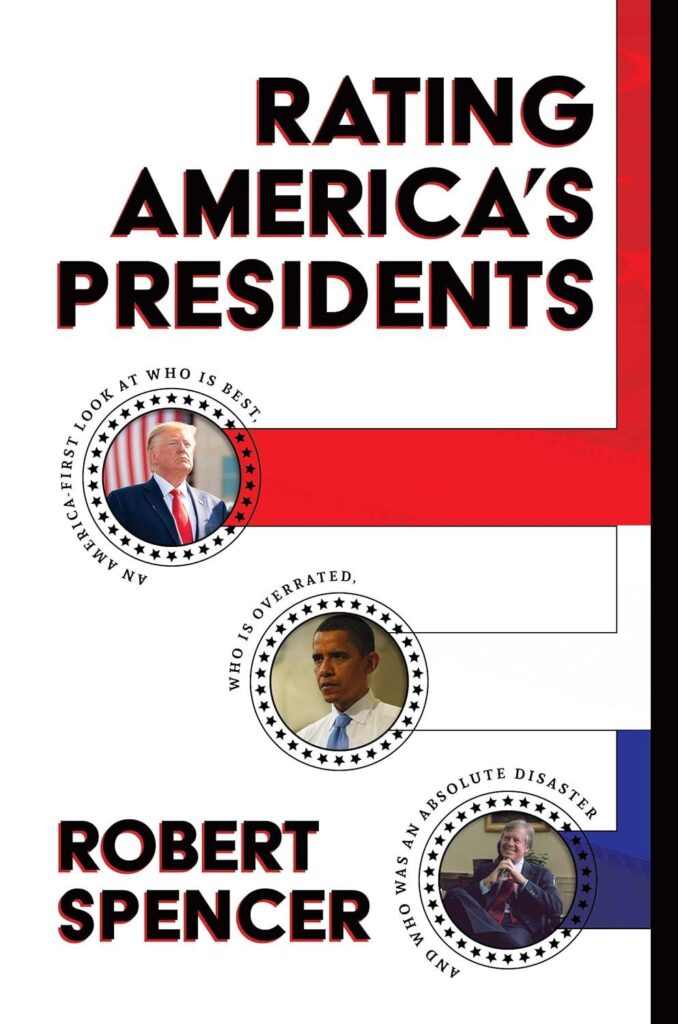
Welcome to our exploration of “Rating America’s Presidents: An America-First Look at Who Is Best, Who Is Overrated, and Who was An Absolute Disaster.” In this post, we’re diving into a book that dares to challenge conventional past narratives and rethinks how we assess teh effectiveness and impact of America’s presidents. As we sift through the pages and principles of this thought-provoking work, we aim to uncover the criteria that truly matter when evaluating our past leaders-criteria rooted in patriotism, constitutional fidelity, and a genuine commitment to advancing american interests.
In a culture saturated with perspectives that often favor expansive government roles and internationalist policies,this book offers a refreshing viewpoint that resonates in today’s socio-political climate. It calls for a shift away from traditional historiography shaped by a predominantly left-leaning academic framework and encourages us to embrace a more America-centric approach. Through its lens, we will consider how each president’s decisions have affected the American populace and reflect on whether they upheld the values set forth by our Founding Fathers.
As we move through our review,we will engage with the authors’ compelling arguments while considering their judgments on presidents across history-from those celebrated as exemplary leaders to others deemed disastrous failures. This is not just a rating system; it’s a call for meaningful discourse around the legacy of America’s highest office in light of contemporary challenges. So, join us as we embark on this journey of ratings and revelations, asking ourselves: who truly deserves to be remembered as great, and who falls short of their presidential promise?
Exploring the Premise of Rating America’s Presidents
We’ve all had our own opinions about which presidents were great, and which ones… not so much.”Rating America’s presidents” takes us on an eye-opening journey-a fresh perspective on the achievements of various leaders through the lens of the U.S. Constitution. Rather than looking at typical metrics like popularity or charisma, this book digs deeper, examining how each president adhered to their oath of office and evaluated their impact on America. It’s refreshing to read about crucial figures in our history from a standpoint that prioritizes the interests of American citizens over trends in ideological thinking.
Each chapter in the book offers an organized framework that guides us through the qualifications, wins, and losses of every president. Robert Spencer doesn’t just throw out numbers; he backs them up with solid reasoning. Such as, many chapters highlight significant accomplishments but also shed light on decisions that may have harmed the country. By exploring these struggles and victories in such detail, we find ourselves re-evaluating what we thought we knew about our past leaders.
It’s also intriguing to see how Spencer challenges mainstream interpretations of past presidencies. Frequently enough, big-government statist policies are favored in academic circles, but here, we see a bold shift. By placing America’s interests front and center, the book invites us to reflect on the successes and failures of various administrations through a critical lens. There’s something powerful about aligning presidential accomplishments with the core principles laid out by the Founding Fathers-our own guidebook to good governance.
the book’s unique approach to rating provides us with a numerical scale that facilitates further discussion. While some may disagree on certain ratings-like placing George W. Bush at a 1-it opens up the floor for engaging conversations. As we delve into the nuances of leadership and governance, it’s an opportunity to mold our understanding of what truly makes a president effective for America. This book is more than just a collection of facts; it’s an invitation to think critically about the legacy of those who led our nation.
Unpacking the Unique Features of This Comprehensive Review
When we dive into “Rating America’s Presidents: An America-First Look at Who Is Best, Who Is overrated, and Who was An Absolute Disaster,” we discover a unique, refreshing perspective on presidential history. This book not only looks at the common accolades and criticisms of each president but also challenges us to reconsider how their legacies are judged. By focusing on a president’s fidelity to the U.S.Constitution and their commitment to American interests, the author shakes up the conventional wisdom we’ve frequently enough accepted without question.One of the standout features is the structured chapter layout. Each president is analyzed through the same lens of qualifications, achievements, and detrimental actions. This consistency helps us compare them more easily. We appreciate that the ratings extend across a comprehensive scale from zero to ten, providing us with a nuanced view rather than a simplified categorization. this approach encourages us to delve deeper into understanding why certain leaders are rated higher or lower, promoting a more informed discussion about their impact on America.
As we read,we can’t help but feel engaged by the compelling arguments presented. The author’s emphasis on an America-first perspective allows us to rethink our beliefs about renowned figures in American history, frequently enough reflecting on how their choices affected the nation. It pushes us to ponder the case for and against each figure, leading to some surprising shifts in our views. The book also highlights notable gaps in the historical narrative, prompting us to investigate further into the lives and decisions of the presidents discussed.
Moreover, it’s good to see a critical assessment of the more recent presidents while intertwining historical context that adds depth to the overall analysis. This perspective not only enriches our understanding of past leadership but connects those themes to contemporary issues we face today. We find ourselves sharing insights from this book with friends and family, making it a great conversation starter around current political dialogues.
this thorough examination invites us to rethink not only how we view former presidents but also how we approach leadership and governance today.It’s an insightful and thought-provoking read that challenges the status quo and inspires us to question prevailing narratives about our nation’s leaders.We can’t recommend it enough for anyone curious about American history and the complex dynamics of the presidency.
Delving Into the Insights That Challenge Conventional Wisdom
When we dive into the pages of this book, we find ourselves questioning many long-held beliefs about America’s presidents. It’s refreshing to see a perspective that diverges from the typical historical narratives crafted by mainstream historians. instead of focusing on criteria like popularity or progressive policies, this book challenges us to evaluate presidents based on their adherence to the Constitution and their prioritization of American interests. That shift in focus is crucial and asks us to reconsider who we’ve placed on our historical pedestal.
As we explore each chapter, it’s evident that these ratings aren’t just numbers. They are a structured analysis of each president’s qualifications,accomplishments,and missteps-offering an insightful look into how these leaders’ actions directly impacted the country and its people. such as, evaluating Presidents against the true definition of their roles as outlined by the Constitution opens up discussions that aren’t often part of mainstream dialogues. This approach resonates with us as it pushes back against the consensus that frequently enough skews towards viewing all presidents through a uniformly favorable lens.
What stands out in this examination is its call for a more critical analysis of history. This book doesn’t shy away from highlighting the shortcomings of various leaders. It proposes that some presidents we may have thought were great may not have been as commendable, and conversely, some we considered lesser may deserve a second look. This kind of reevaluation encourages deeper thinking and enriches our understanding of the complexities within each presidency.
Throughout our reading experience, we find ourselves learning more than just facts about individual leaders; we start to grasp the broader context of American history. this book encourages a dialog that resonates with contemporary issues, asking us to reflect on what true leadership should look like.By presenting a fresh framework for evaluating these individuals, it sparks curiosity and challenges established narratives in a way that is both engaging and thought-provoking.
Evaluating the Criteria Behind the Rankings and Assessments
When we dive into “Rating America’s Presidents,” it’s essential to understand the unique framework behind the rankings and assessments provided in this book.Unlike other evaluations that often lean on popularity, diplomatic achievements, or party loyalty, this book introduces a refreshing perspective by focusing on adherence to the United States Constitution. We appreciate that each president is rated based on how effectively they put America first, considering the responsibilities defined by our Founding Fathers.This America-first approach offers a critical lens that shakes up conventional wisdom and sparks engaging discussions about each president’s legacy.
We noted that each chapter delivers a structured view of presidents, beginning with their qualifications, followed by why they won the election, key accomplishments, and any detrimental actions. This clarity helps us quickly grasp the essential points about each leader. Moreover, the consistent format throughout the book aids in making comparisons and understanding the rationale behind the ratings. We find it valuable that the author emphasizes the importance of a president’s oath and how it should dictate their actions while in office.
One intriguing aspect of the rankings is the way they challenge established norms. For instance, we see ratings that may stir debate among readers, like the placement of certain presidents who are often heralded as historical giants. This book prompts us to question the criteria we’ve been fed by mainstream historians and encourages us to consider how those leaders genuinely advanced or hindered American interests. It’s a bold approach that doesn’t shy away from controversy but rather embraces it, inviting all of us to engage critically with our history.
in our exploration of the book, we can’t overlook its shortcomings. As a notable example, the lack of president names at the top of each page makes it somewhat cumbersome to navigate. This could be a small change, but it would considerably enhance the reader experience by making it easier to pinpoint specific presidents quickly.Nevertheless, the thoroughness and thought-provoking assessments make this book an intriguing read. It challenges us to rethink who we laud and why, all while providing context that is frequently enough left out of more traditional narratives about our nation’s leaders.
Our Final Thoughts and Recommendations for Engaged Readers
When diving into “Rating America’s Presidents: An America-first Look at Who Is Best, Who Is Overrated, and Who Was An Absolute Disaster,” we find not just a book, but a refreshing perspective on the role and effectiveness of our nation’s leaders.This book broadens the conversation around presidential evaluations by veering away from traditional metrics that often glorify big-government approaches and delves deep into the fundamental question: What does it mean to put America first? It’s truly eye-opening to see how the text encourages us to reevaluate historical narratives through the lens of the U.S.Constitution and the intentions of the Founding Fathers.
The structure of the book facilitates an engaging read, with chapters dedicated to each president. Each section systematically covers their qualifications,victories,and failures,giving us a well-rounded view without drowning in excessive detail. This is something we appreciate, especially when we just want a clear, concise summary of a leader’s impact. Every rating, from the highs to the lows, is something that sparks discussion-who deserves what score, and why? This framework encourages us to think critically about presidential history, instead of passively accepting popular opinion.
What makes this book stand out is not merely the ratings but the thoughtful assessments that challenge preconceived notions. We found ourselves nodding along as we noticed how certain presidents were rated not just based on their popularity but on their adherence to constitutional values. This focus on fidelity to America and its founding principles is incredibly poignant, notably in today’s political landscape where such values often feel overlooked. It’s a compelling argument made by Spencer that is likely to stimulate conversation among readers from all walks of life.
While this book offers significant insights,it does come with some limitations-like a few historical oversights or the exclusion of contemporary leaders like Joe Biden. Nevertheless, these minor issues don’t overshadow the overall value. In today’s world, where narratives are frequently enough polarized, this book provides a refreshing take that dares to question the status quo. For those looking to gain a clearer understanding of our presidents through a more fundamental lens, this book is a must-read.
we happily recommend “Rating America’s Presidents” to anyone curious about a different interpretation of presidential history that puts America’s best interests at the forefront. If your looking for thought-provoking material that encourages discussion and critical thinking, this book might just be what you need.Grab your copy now and engage in this essential dialogue about leadership and the responsibilities that come with it! Buy Now on Amazon
Transform Your World
As we conclude our exploration of “Rating America’s Presidents: An America-first Look at who Is Best, Who Is Overrated, and Who Was An Absolute Disaster,” it’s clear that this book challenges the traditional narratives surrounding American leadership. By shifting the focus to the principles that have historically guided our nation, it invites us to rethink the ways in which we evaluate presidential effectiveness.Whether we agree or disagree with its assessments, the call for an America-First perspective is a compelling one-and it encourages meaningful discussions about what it truly means to prioritize our nation’s interests.
Ultimately, we believe that understanding our leaders through this lens fosters a deeper appreciation for the complexities of the presidency and its impact on our American identity. If you’re eager to delve into a provocative reexamination of our past leaders and their legacies,we highly recommend picking up a copy of this thought-provoking book.
Join us in challenging the status quo and gaining new insights into the presidencies that have shaped our nation.
Ready to dive in? Grab your copy here: Rating America’s Presidents. Let’s continue the conversation!