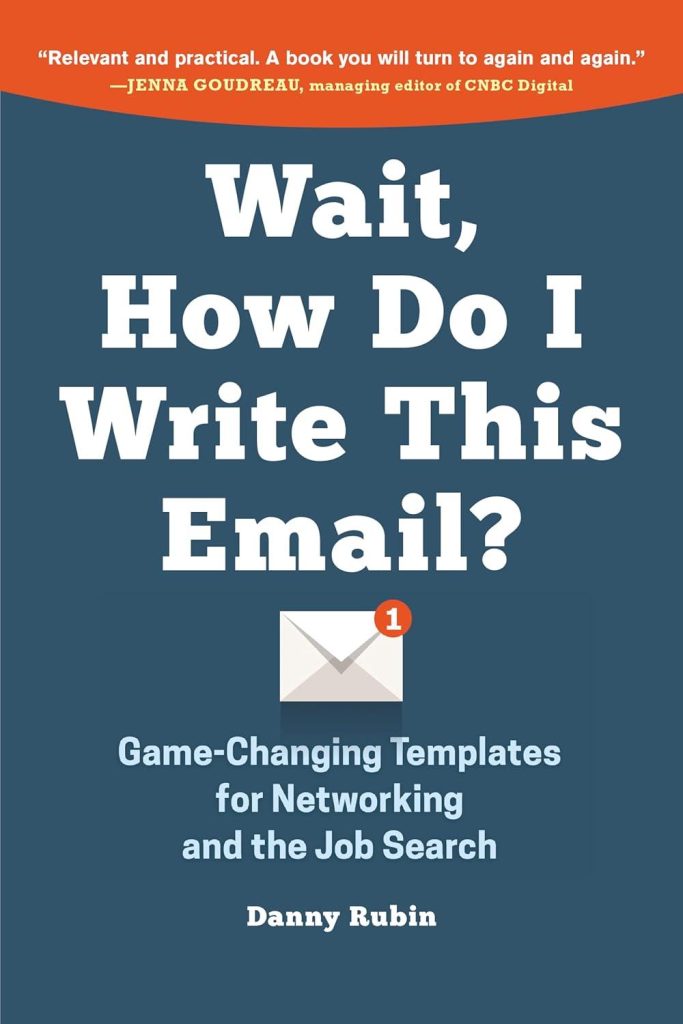
In the fast-paced world of professional communication, crafting the perfect email can often feel like an overwhelming task. We’ve all been there: staring at a blank screen,grappling with the right words to convey our intentions while hoping to make a positive impression. Enter “Wait, How Do I Write This Email?”-an indispensable toolkit designed by communications expert Danny Rubin. With over 100 email and document templates, this resource promises to take the anxiety out of professional writing, whether we’re networking, applying for jobs, or simply connecting with colleagues.
In our journey through this extensive guide,we found that Rubin doesn’t just provide templates; he offers a structured approach to effective communication that resonates with readers from high school graduates to seasoned professionals. The second edition includes valuable updates and even additional resources for educators, making it a versatile companion not onyl for individual job seekers but also for those teaching the skills necessary for success in today’s competitive environment.
Join us as we delve into the invaluable insights and practical tools “Wait, How Do I Write This Email?” brings to the table, allowing us to navigate the intricate landscape of professional communication with confidence and clarity.
Table of Contents
Exploring the Essentials of Wait, How Do I Write This Email?

The essence of “Wait, How Do I Write This Email?” lies in its practical approach to business communication. In a world where email has become the lifeline of professional interactions, this guide shines. We appreciate how Danny Rubin provides over 100 templates specifically designed for networking and job searches. Each template serves as a shortcut through the often-stressful process of writing professional emails. From the moment we start reading, the book transforms the intimidating task of writing into a manageable, even enjoyable, endeavor.
One standout feature that we found particularly beneficial is the focus on storytelling within business writing. It’s not just about the structure; rather, it’s about conveying our unique voice while maintaining professionalism.The book teaches us how to craft engaging narratives that resonate with the recipient, whether we’re diving into a cover letter or a follow-up email. This skill is something we can apply broadly-not just in job applications,but in all forms of meaningful communication.
An unexpected treasure in the guide is the detailed breakdown of LinkedIn communication. Rubin doesn’t just stop at email templates; he explores the nuances of building a professional presence online. Whether it’s sending the perfect connection request or crafting an engaging LinkedIn headline, we feel equipped to represent ourselves authentically. This holistic approach allows us to connect on various platforms confidently, ensuring we don’t miss any networking opportunities.
Amid the robust details, we also appreciate the clarity provided in Rubin’s instructions. This makes it suitable for everyone,even those who might not consider themselves seasoned writers. With tips on etiquette and positivity, it feels almost like having a personal mentor guiding us through the maze of job applications and professional networking. It’s this combination of practical templates, storytelling elements, and approachable guidance that makes this a must-read in today’s job market.
In essence, “Wait, How Do I Write This Email?” is a treasure trove for anyone looking to enhance their professional communication skills. The blend of templates and advice across various platforms underscores the book’s relevance for all career stages, making it a resource we wholeheartedly recommend.For those ready to take their email game to the next level,the invitation is clear-let’s dive in and revolutionize the way we connect with others in our professional pursuits.
Unpacking the Unique features That Enhance Our Email Writing
Writing effective emails is an essential skill, and the book we’re considering offers a treasure trove of guidance. One stand-out feature is the collection of over 100 email and document templates that cater to various contexts, whether for networking, job applications, or follow-ups. This means we no longer have to start from scratch or worry about forgetting essential elements. Instead, we can adapt these templates to fit our tone and style, saving us considerable time and reducing stress.
Another unique aspect that deeply resonates with us is the focus on storytelling within professional communication. The author emphasizes the “short story technique,” allowing us to make our experiences engaging without sounding vague or cliché. This clarity not only captivates our readers but also ensures that our key messages are communicated effectively. It’s about standing out in a sea of standard emails, and this approach certainly gives us that edge we need.
Moreover, the emphasis on humility and politeness is refreshing.We frequently enough struggle with sounding too demanding or generic. With the guidelines introduced in the book, we learn how to convey our requests respectfully and genuinely. This nuanced approach fosters connections that might or else be missed, improving the overall quality of our professional interactions.
Lastly, the additional resources provided-such as LinkedIn templates and tips for handwritten notes-extend beyond just email writing. The insights into creating a memorable LinkedIn profile or sending thoughtful notes further illustrate the book’s all-around approach to communication. it opens our eyes to how there’s power in the details, no matter the medium. it transforms the daunting task of professional writing into an accessible learning experience, making it an invaluable resource for anyone looking to elevate their communication skills.
Navigating the User Experience: What We Discovered
When we first dove into “Wait, How Do I Write This Email?”, we were instantly struck by how user-centric the design was. The layout felt amiable and inviting, making tackling the sometimes intimidating world of business communication a breeze.From the beginning, it was clear that Danny Rubin understood the challenges many face when crafting that perfect email. With over 100 email and document templates, we felt equipped to navigate a variety of scenarios, from following up on interviews to expanding our professional networks. The book doesn’t overwhelm us with jargon; instead, it feels like we have a supportive guide at our side.
One of the standout features was the storytelling technique introduced for email writing. We found it refreshing that Rubin emphasizes the importance of being personable and genuine. The guidance on crafting engaging narratives not only made our emails unique but also helped us connect better with recipients. The “wrinkle method” particularly grabbed our attention, as it encourages us to showcase our individuality without sounding cliché. This was the boost we didn’t realize we needed.
Additionally, the inclusion of notes on LinkedIn communication was a game changer.The reminders about the right tone and context for connecting with others helped us refine our approach on this professional networking platform. We loved that it also covers less common aspects, like handwritten notes, giving us a well-rounded view of modern-day communication. it feels comprehensive, as if every angle has been carefully considered and addressed.
exploring this resource has shifted our perception of email writing from a chore to a skill we can develop. It’s a relief to know that we don’t have to be perfect writers to convey our messages effectively. Instead, we learned to focus on clarity and connection, making our professional interactions more impactful. This user experience with the book reinforced the idea that anyone, no matter where they start from, can master the art of communication in their career.
Personal Insights: How This Product Transformed Our Email Crafting
Transforming our email crafting has genuinely been a game changer since we discovered “Wait, how Do I Write This Email?” At first, we were just looking for some guidance on writing emails, but what we found was so much more. The way Danny Rubin approaches professional communication is refreshing. His clear, straightforward templates saved us time and alleviated the stress of trying to craft the perfect message. It’s like having a trusted mentor by our side while we navigate the frequently enough-overwhelming world of job searching and networking.
The practical strategies in this book have made a important difference in our approach to communication. We learned not only how to write emails but also how to articulate our thoughts with confidence and clarity. The emphasis on storytelling resonated with us. We never realized how a compelling narrative coudl enhance our email outreach.Now, we go beyond the bland and generic; we inject personality and authenticity into our correspondence. This shift has made our emails stand out in a crowded inbox, leading to better responses from recruiters and professional connections.One of the standout features of this resource is its focus on various types of communication, not just emails. From crafting extraordinary cover letters to creating impactful LinkedIn profiles, the book is a comprehensive toolkit. Each section dedicates time to ensure we’re not just adhering to the format but genuinely making a connection. Whether we are following up after an interview or networking with industry professionals,we feel equipped to communicate effectively,which ultimately builds stronger relationships.
Returning to the storytelling aspect, it’s something we initially felt was unnecessary in professional communication.However, Rubin’s methods have shown us how to create memorable and unique impressions. We’ve started including anecdotes that support our experiences, tailoring our emails so they resonate more with the recipients. The approach feels less like a chore and more like an opportunity to connect meaningfully.
Ultimately, we can say that “Wait, How do I Write This Email?” didn’t just improve our writing; it transformed how we view email communication altogether. It’s no longer just a task; it’s a chance to engage, inform, and establish rapport. We can’t recommend it enough to anyone looking to elevate their email crafting game.Danny Rubin’s insights have given us the tools needed to craft professional correspondences that not only communicate our intentions clearly but also reflect who we are.
Our Recommendations for maximizing the Benefits of This Tool
To truly harness the potential of “Wait, How Do I Write This Email?”, we recommend diving in with an open mind. The book offers a treasure trove of templates and practical advice that goes beyond simple email writing. Start by selecting a few templates that resonate with your needs, whether it’s networking, job applications, or follow-ups. Adapt these templates to fit your voice, but make sure to follow the core principles laid out by the author, Danny Rubin. This adaptation will not only personalize your communication but also help you practice the skills outlined throughout the book.
We suggest setting aside dedicated time each week to work through the provided coaching strategies. By regularly practicing the techniques, you’ll become more proficient and confident in your professional written communication. Mix and match elements from different templates to create your own unique style. This experimentation not only keeps your communication fresh but also makes you memorable in a sea of generic emails. Plus, as you master different writing styles, you’ll find it easier to transition between formal and casual emails depending on your audience.
Additionally, it’s essential to leverage the storytelling techniques featured in the book. We frequently enough overlook the power of a good story when drafting emails or resumes. By weaving in personal anecdotes or relevant experiences, you create a connection with your reader. This is especially useful in cover letters or networking emails, where standing out is crucial. Remember, it’s about more than just getting the message across; it’s about making that message resonate.
do not hesitate to seek feedback on your emails and documents. We recommend sharing your drafts with trusted colleagues or mentors who can provide constructive criticism based on the principles found in the book.This practice will not only polish your writing but also ensure you’re on the right track. By following these adapted strategies, you’ll find yourself writing with more clarity and confidence, while maximizing the invaluable resources found in this essential guide.
Check Latest PriceCustomer Reviews Analysis
Customer Reviews Analysis
As we delve into the heart of Wait, How Do I Write This Email?, it’s clear that the feedback from our readers offers a rich tapestry of insights and experiences. From budding professionals to seasoned managers, this guide seems to resonate with a diverse audience. Let’s break down the key themes highlighted in the customer reviews:
General Impressions
readers have found tremendous value in this book, often deeming it an essential resource for both written and verbal communication in the business world. The author, Danny Rubin, has struck a chord by combining practical advice with actionable templates, appealing to a wide range of users-from recent graduates to experienced professionals.
Key Strengths
- Practical Advice: Many reviewers appreciate the clear, straightforward writing style that breaks down complex concepts into easy-to-understand formats.
- Diverse Content: While the title emphasizes email writing, readers found the material to cover resumes, cover letters, job interviews, and even networking tactics effectively.
- Templates and Examples: the wealth of templates for various communication types has been noted as a significant advantage, helping users navigate different scenarios easily.
Specialized Insights
Interestingly, some reviewers shared how the book helped them from a managerial perspective rather than just a job-seeking viewpoint. For example, one managing partner from a medical practice noted how it provided clarity in evaluating candidates and their communication skills, allowing him to be more discerning in hiring practices. This shows that the book has utility beyond the typical audience.
Constructive Feedback
Despite the overwhelmingly positive response, a few critiques emerged:
- Title Mismatch: Some readers felt that the title doesn’t fully capture the book’s comprehensive approach to business communication.
- Formatting Concerns: One reviewer mentioned that the font size could be larger to improve readability, which is a consideration for potential buyers.
- Authenticity Issues: A couple of negative comments regarding the book’s originality were noted, suggesting it may not offer unique content compared to what’s available online.
Summary of Reviews
| Review Type | Key Takeaway |
|---|---|
| Positive | Clear, concise writing styles with actionable templates. |
| Neutral | Wide appeal to different professionals and stages in careers. |
| Negative | Concerns over title relevance and perceived originality of content. |
the reviews suggest that Wait, How Do I Write This Email? is more than just a guide; it’s a multifaceted resource tailored for various communication needs. While there are some critiques to consider, the overall sentiment remains that this book holds significant value for anyone looking to improve their business communication skills.
Pros & Cons
Pros & Cons
As we dive into our review of “Wait, How Do I write This Email?”, it’s essential to take a balanced look at its strengths and weaknesses. Here’s what we found:
| Pros | Cons |
|---|---|
| Offers over 100 email templates that save us time and effort. | Some templates may feel generic and lack a personal touch. |
| Clear and concise instructions that make writing emails less daunting. | The book may not address highly unique or niche industries. |
| Useful for a wide range of audiences, from students to professionals. | As the email landscape evolves, some templates may become outdated. |
| Emphasizes the importance of storytelling in emails, enhancing connection. | It might not cover every scenario we encounter in professional communication. |
| Includes classroom activities making it versatile for educators and training. | Not all readers may benefit from the educational aspect, especially if self-taught. |
Through our exploration, “Wait, How Do I Write This Email?” demonstrates considerable value for anyone looking to enhance their email communication skills. However, like any guide, it has its limitations. We hope this pros & Cons section helps you make an informed decision!
Q&A
Q&A Section for “”
Q: Who is the target audience for “Wait, How Do I Write This Email?”?
A: This guide is ideal for anyone looking to enhance their professional communication skills.Whether you’re a recent college graduate stepping into the job market, a seasoned professional looking to network, or even a high school student preparing for your first job application, this book caters to a wide audience. We’ve seen it used in various settings, from educational institutions to workforce growth programs, making it accessible to anyone who wants to communicate effectively in a professional environment.
Q: What makes this guide different from other email writing resources?
A: Danny Rubin’s book stands out due to its practical approach. It offers over 100 templates that are directly applicable to real-world situations. We appreciate how each template comes with detailed instructions tailored to different scenarios, like networking and job searching. this straightforward format not only saves us time but also alleviates the stress typically associated with writing professional emails.
Q: are the templates in this book customizable for individual use?
A: Yes, the templates are designed to be flexible and adaptable. While they provide a solid framework, we can easily personalize them to suit our own voice and particular circumstances. This customization allows us to maintain authenticity while still benefiting from a structured approach to our communication.
Q: Does the book cover digital communication, like LinkedIn messaging?
A: absolutely! In the second edition, Danny Rubin has updated sections specifically focused on digital platforms, including private LinkedIn messages. He provides tailored templates and guidelines that help us navigate the nuances of online communication, ensuring we remain professional and engaging in our outreach.
Q: How is the book structured in terms of content?
A: The book is well-organized into thematic sections, covering various aspects of professional communications such as networking, job search techniques, and writing skills. We particularly enjoyed the inclusion of classroom activities and teacher notes which enhance the learning experience for educators and students alike. Each section’s focus on practical application makes it easy for us to jump in and start applying what we learn.
Q: Is this book suitable for use in professional development workshops?
A: Yes, “wait, How Do I Write This Email?” is an excellent resource for professional development workshops. Its practical templates and activities make it a valuable tool for trainers and facilitators. We can see how the structured approach can foster discussion and engagement among participants eager to improve their communication skills in the workplace.
Q: What kind of reviews has the book received from others who have read it?
A: The book has garnered positive feedback from readers,boasting an average rating of 4.3 out of 5 stars from 375 reviews. Many readers express recognition for its clarity, practicality, and insightful guidance on topics they’ve found challenging in the past. As a community, we can trust that many have found value in its pages.
Q: Can we expect to find information on thank-you notes or declining job offers?
A: Definitely! The guide includes templates for thank-you notes and even for gracefully declining job offers. We value these insights as they equip us with the necessary tools to handle various professional situations with poise and professionalism.
Feel free to dive into the book and explore how we can all improve our email writing skills together!
Experience the Difference
As we wrap up our exploration of “Wait, How Do I Write This Email?”, it’s clear that Danny Rubin has crafted an invaluable communication guide that transcends various stages of professional development.With its extensive array of templates and practical advice, this book is not only for those just starting their careers but also for seasoned professionals looking to refine their networking strategies.The second edition brings even more utility, making it a vital resource for anyone eager to enhance their communication skills.
We can all benefit from improving how we connect with others, whether for job opportunities, networking, or simply crafting the perfect email. Rubin’s methods demystify the process and empower us to express ourselves effectively in a professional context. In a world where communication is key to success, having a reliable guide like this can save us time and alleviate the stress associated with crafting the perfect message.
So, if you find yourself staring at a blank email draft or unsure how to reach out to that vital contact, don’t hesitate to give this book a try.Let’s take our communication skills to the next level together! Ready to dive in and transform how we write those emails? Check out “Wait, How Do I Write This Email?” here.


